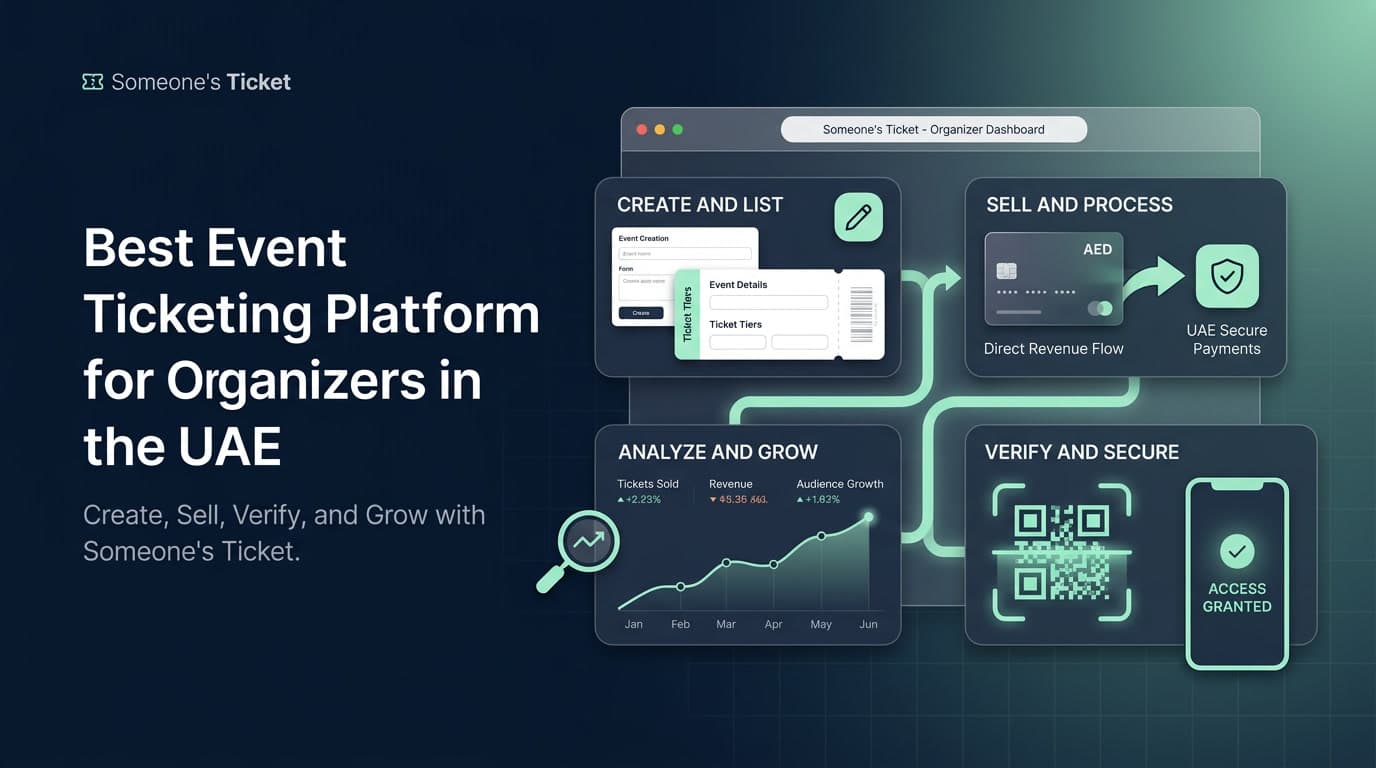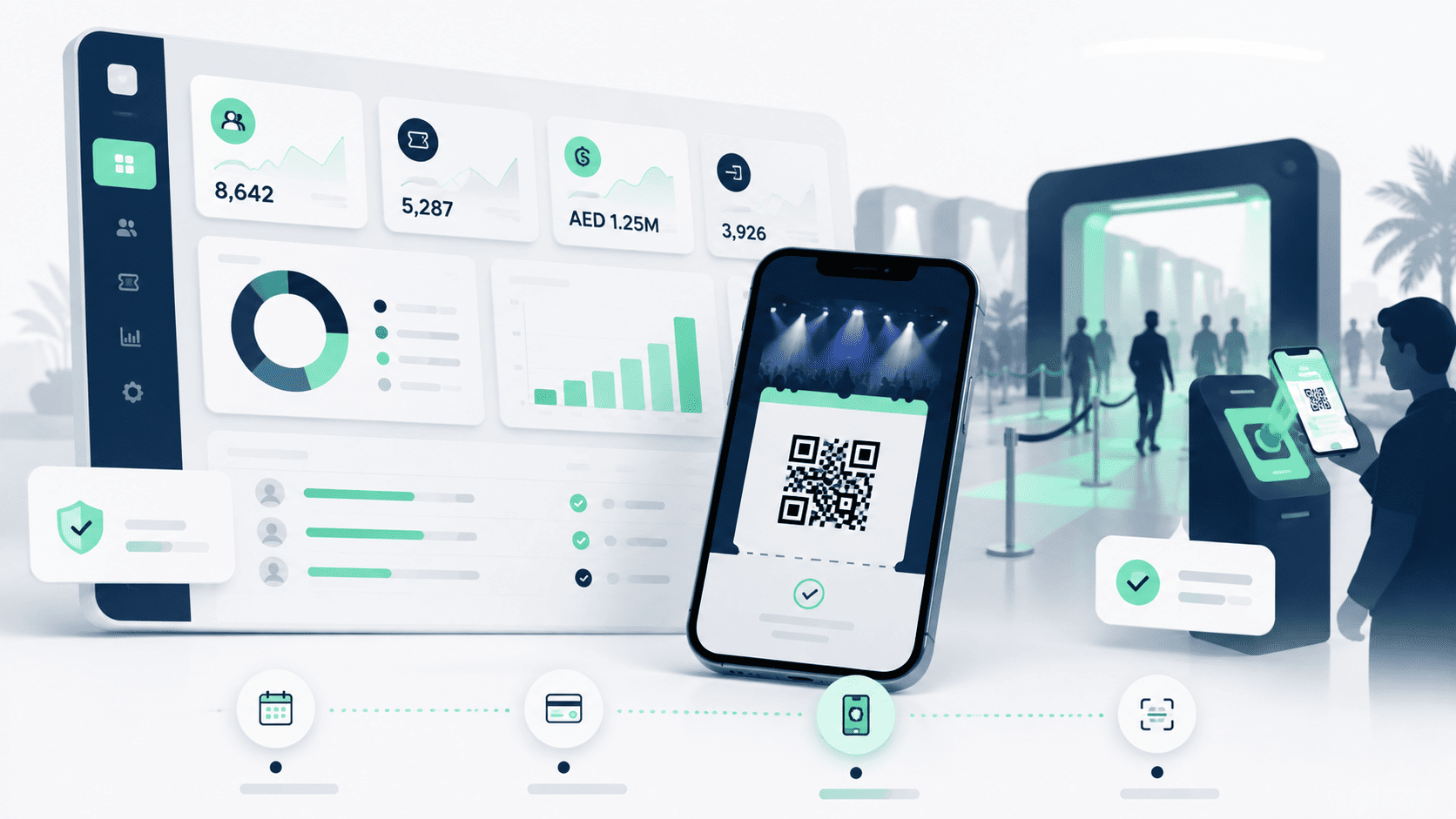
Prepare to sell event tickets online in Dubai. Review ticket allocations and buyer information, then agree sales arrangements with your ticketing provider.
Organizers preparing to sell event tickets online in Dubai need to confirm their event approvals and explain what admission includes. Start with the venue’s confirmed capacity for your proposed layout. Agree on what admission includes and who will handle buyer questions. Your ticket page can then describe an event that the delivery team is ready to host, with sales tied to an agreed inventory.
Someone’s Ticket provides ticketing technology for organizers who need to sell admission to their events. The organizer remains responsible for the event described on the sales page. Ticketing preparation connects that promise to the transaction a buyer completes. Work through the sales arrangements with your ticketing provider while the event team confirms its delivery responsibilities.
Confirm the Event Approvals
Dubai’s event approval process needs attention while the venue and event program are still being agreed with the responsible organizer. DET’s published event permit guidance states that a permit is required for entertainment or business events, among the categories it lists. Applications go through the e-Permit portal. Ask the appointed organizer to confirm which approvals apply to the proposed event.

Permission to hold an event and the arrangements for selling its tickets deserve separate questions in your discussion with the ticketing provider. Request written confirmation concerning the relevant ticket-selling approvals for the event. Ask who is responsible for submitting the required information. Set the sales opening date after the responsible parties confirm the conditions for that launch.
Calculate the Quantity Available for Sale
Your public ticket allocation should follow the venue’s confirmed event layout and the inventory reserved for other approved admission arrangements. Some tickets may be held for invited guests. Organizers may reserve a separate allocation for contractual obligations. Record those quantities against the same capacity figure so the sales team knows how many tickets it can release.

Consider a hypothetical event with a confirmed guest allocation of 400 and 40 places held for invited guests. Public inventory would begin at 360 tickets if the remaining places were available for sale. The event team should check that example against its own admission categories. Production positions may affect the approved layout, so use the venue’s event-specific confirmation when agreeing the total.
Describe What Buyers Receive
Ticket categories should explain the actual admission rights attached to a purchase so buyers can select the option that suits their plans. General admission might allow access to a particular event area. Assigned seating requires a description that agrees with the venue’s approved seating plan. State any relevant access period besides the category, especially when different sessions share a venue.
Premium tickets need a concrete description of the extras included in their price, and the arrangements buyers should expect on arrival. Specify the relevant entrance if a separate entrance is part of the offer. Explain how staff will verify eligibility for any included benefit. Your provider should receive the same category descriptions that the venue team uses during its admission briefing.
Check the Price Buyers Will Pay
The price displayed during purchase should match the commercial terms you have agreed with the provider for that event’s ticket categories. Ask how mandatory charges appear during checkout. Confirm the applicable tax treatment with your finance adviser. Your finance team needs a written explanation of the amounts paid by buyers and the deductions applied when proceeds reach the organizer.
Early purchase prices need a recorded quantity or closing date that the ticketing team can apply to the agreed offer. Describe that limit on the sales page. Keep later prices consistent with the published arrangement, subject to any properly communicated revision. Sales forecasts remain estimates, so prepare your event budget using assumptions that the budget owner has reviewed and accepted.
Write an Event Page That Answers Buyer Questions
Buyers need enough event information to decide whether the date and admission offer fit their plans for attending the event. Display the venue’s verified name beside the event date. Explain the difference between the time doors open and the scheduled program start. Travel information should point to the correct entrance, especially when a larger complex has several arrival points.
The event description should state any age conditions and explain the arrangements a buyer needs to complete ahead of arrival. Accessibility information deserves confirmation with the venue’s responsible team. Publish a contact route for questions concerning specific access needs. Use confirmed performer information, with any program qualifications explained in language that agrees with the event’s actual booking terms.
Test the Purchase and Ticket Delivery
Your provider’s test process should let the organizing team examine the purchase flow and the information delivered to a buyer. Ask how an authorized test transaction is arranged. Check the selected ticket category against the confirmation message. Open the resulting ticket on a phone to examine the information a guest will use when reaching the entrance.

Ticket delivery needs a documented support procedure for buyers who need help locating a confirmation or correcting their booking information. Agree which team receives those requests and what that team can change. Ask how the provider verifies a requester’s right to discuss a purchase. Personal information should reach the staff who need it for the specific support request.
Prepare Buyer Messages for Changes
The organizer should agree on how buyers will receive an update when an event detail changes after tickets have entered public sale. Assign someone to approve the revised information. The ticketing team needs enough time to apply that revision to the event page and relevant buyer communication. Keep the venue’s operational copy consistent with the information guests receive.
Cancellation and date changes require a written procedure that connects the organizer’s decision to the applicable ticket terms and legal requirements. Ask the provider which party authorizes refunds and who handles buyer correspondence. Confirm how status updates are delivered to affected buyers. Describe the specific policy accurately on the event page, with the relevant terms available during the purchase process.
Connect Ticket Sales to Venue Admission
Your entrance team needs an agreed procedure for checking tickets against the correct event and resolving admission queries at the venue. Ask the provider to explain its verification process using an event-specific example. Confirm how staff recognize a ticket that has already been used. Arrange a separate help position where a supervisor can examine a booking query.

The admission briefing should cover the equipment staff will use and the communication route for requesting technical help during entry. Ask the provider to confirm the connectivity its equipment requires. The venue team should review the proposed entrance arrangement against expected arrivals. Prepare the provider-approved response for a connection interruption, then rehearse that procedure with the people assigned to admission.
Questions Organizers Often Ask
When Should Ticket Sales Open?
Ticket sales can open once the responsible parties have confirmed the applicable approvals and the details published in the admission offer. Agree that date with the appointed organizer and ticketing provider. Your event team should have a confirmed response for buyer questions when the sales page becomes available.
Who Should Answer Ticket Buyer Questions?
The organizer and ticketing provider should agree on the support responsibilities for the event while preparing the sales page and purchase messages. Booking questions may require the provider’s transaction information. Program questions may need an answer from the event team. Publish the agreed contact route so buyers can reach someone who can address their request.
What Should Be Checked After the Event?
The final reconciliation should compare recorded ticket sales with the settlement statement according to the agreement signed for that event. Ask the provider to explain any refunds included in the statement. Your finance team can then check the amounts against its own records. Retain the documentation according to the requirements that apply to your business.
Discuss Your Event with Someone’s Ticket
Your proposed event date and confirmed venue information can support an initial ticketing discussion with Someone’s Ticket while you prepare the sales plan. Describe the admission categories you expect to sell. Ask the team to confirm the available ticketing arrangements for your event, with the relevant commercial terms provided for review.
The event team can review Someone’s Ticket’s organizer information alongside its own delivery plan when preparing questions for that discussion. Confirm the agreed responsibilities in writing once the proposed arrangements suit the event. Share the final ticket descriptions with the staff responsible for admission so that the offer buyers' purchase agrees with the event they attend.
Barbaros Bugra
Event Ticketing