Check suspicious ticket offers and protect admission credentials. Prepare an organizer response to event ticket fraud with guidance for UAE event buyers.
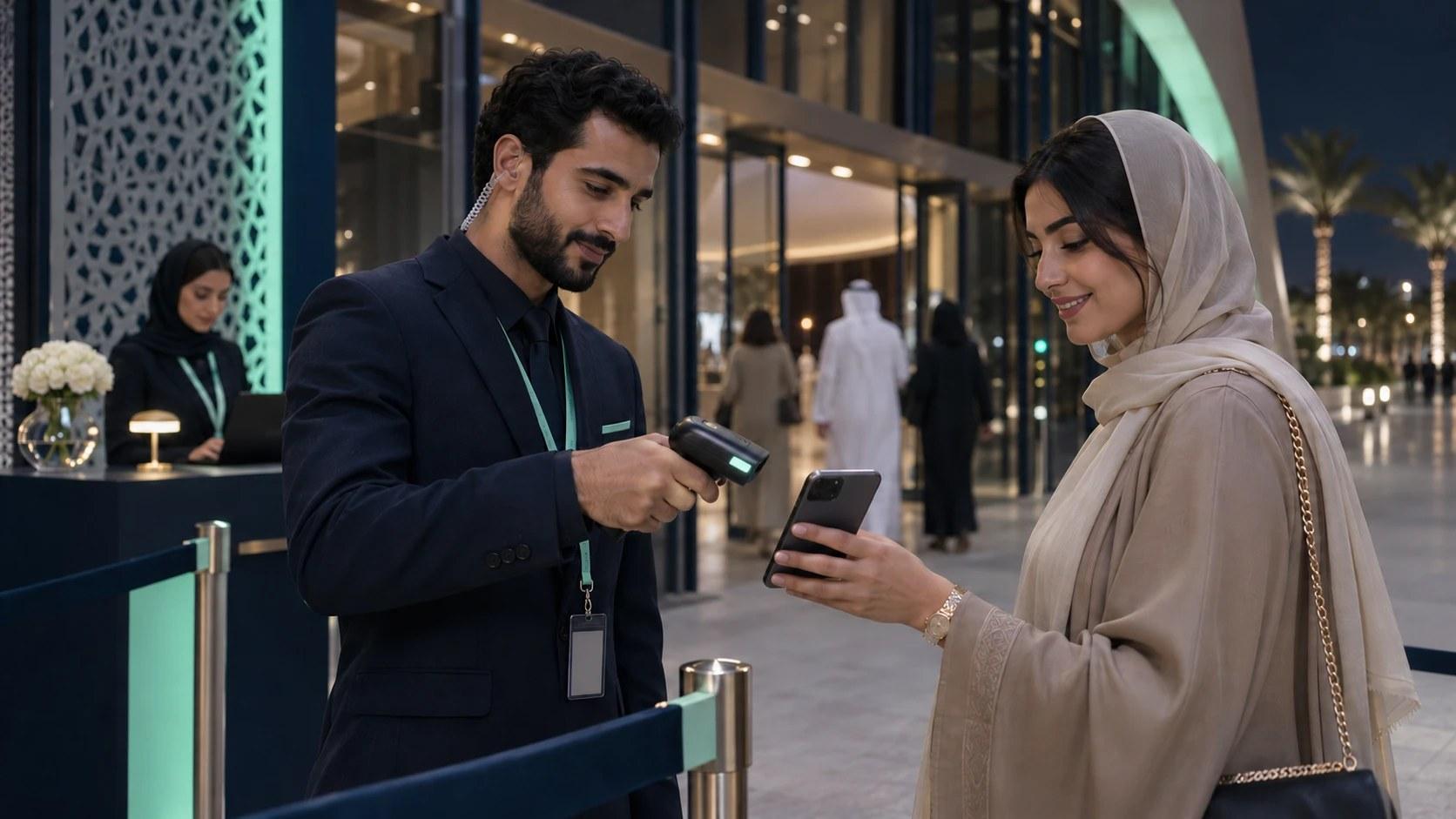
The guest at the entrance has a payment receipt and a ticket image, yet the admission team still needs to establish who issued the credential. Event ticket fraud becomes an urgent operational problem when a convincing purchase story reaches the venue ahead of a verified order. Buyers need somewhere to ask for help, and organizers need a response that separates a technical fault from suspected deception.
The strongest preparation starts with the sales relationship: the event's organizer identifies its authorized sellers, and the buyer follows the purchase route those sellers provide. After a suspected incident, the work changes. Evidence preservation and order checks take precedence over judging a ticket's appearance.
Identify What Requires Verification
Fraudulent offers take several forms, so describe the actual concern when contacting an event team instead of treating every failed scan as the same problem. Investigators need to establish that the advertised event exists, then examine the claimed sale and the admission credential. In another case, a real ticket reaches a purchaser through a resale arrangement that breaches the applicable terms.
The UK's Report Fraud service describes bogus ticket websites that resemble legitimate sellers and advertisements for tickets that sellers fail to deliver. Its ticket-fraud guidance supports a useful precaution for UAE buyers: confirm the sales relationship through the organizer's established public channels. The source's UK reporting arrangements belong to that jurisdiction; UAE incidents require the appropriate local channel.
For an organizer, a report that names a suspicious domain is more actionable than a general complaint that fake tickets are circulating. Ask the reporter for the exact address and the advertised event. Keep any allegation separate from the verified findings until the relevant team has examined the evidence.

Assess the Seller and the Transfer
Buyers considering a resale offer need the event's current transfer conditions and confirmation that the proposed method is permitted for that ticket. Photographs supplied by a seller establish the visible content; booking status requires the issuer's records. The issuer must resolve questions concerning the actual booking and its current status.
Someone's Ticket's published Terms of Use prohibit unauthorized resale, so permission requires confirmation through the applicable event terms or the company's support team. Treat any proposed change of attendee as a question for the issuer. Ask how an approved transfer is completed and which credential the recipient will use for admission.
If a seller proposes an unfamiliar payment destination, pause the purchase until the authorized seller confirms the arrangement through an independently obtained contact. Pressure to finish a transaction during a private conversation deserves extra scrutiny. Keep the original offer available for review and retain the seller's stated delivery promise.
For gifts or group bookings, establish who holds the booking and how the event expects the party to arrive. The recipient needs the permitted ticket-delivery method. Forwarded messages leave the delivery question open until the issuer or organizer explains the event's requirements.

Keep Admission Credentials Private
Ticket holders protect admission credentials by sharing public event artwork when announcing their plans and retaining the actual ticket for its intended use. Ticket-image crops require attention to the entire document: an order reference elsewhere on the page can disclose information even after the square code has been covered.
Someone's Ticket customers with a verification question can use the company's published contact page, which requests the order number and event name for ticket-holder assistance. Send those details directly to the listed support channel. Public comment threads expose the information to people outside the support conversation.
Organizers can prepare a separate social image for attendees who want to announce their visit. Keep that image independent from the admission credential, with a direct link to the authorized event page. Staff who produce promotional content need the same separation when choosing photographs that include a visitor's phone or printed pass.

Investigate a Failed Scan Calmly
Admission teams need a brief escalation procedure that identifies the staff member authorized to review disputed tickets and the location where guests can receive assistance. Private conversations at a help desk leave the entrance staff available for routine checks. The guest should receive an explanation of the next verification action and a realistic update time.
Start with the event and session shown on the ticket, then compare the booking reference with the issuer's record. Where the system provides a prior-use result, examine that record in context. The guest's intent and complete purchase history remain questions for the investigation.
The supervisor can compare the guest's purchase confirmation with the issuer's response and record the decision in accordance with the event's agreed procedure. If further verification is required, explain who is handling it. Keep identity documents in line with the event's authorized verification practices and collect only the information needed for the case.
Technical faults warrant a separate response from suspected fraud, especially when several guests encounter the same error during a single arrival period. Check the selected event session and the scanning team's equipment status. Any temporary admission method needs prior agreement with the organizer, so staff apply a consistent decision rule.

Prepare the Organizer's Response
Organizers reduce uncertainty by publishing an accurate sales page that identifies the authorized purchase route and explains the ticket-delivery method. Fraud response needs an additional operational contact for reports concerning suspicious offers.
Allocate responsibility for reviewing those reports during the sales period, with a separate escalation arrangement for event day. The person investigating a suspicious advertisement needs access to the organizer's confirmed sales information. Record the reported URL and the time it was observed, then preserve the relevant advertisement for the investigation.
If a false offer is confirmed, prepare a factual notice that identifies the legitimate sales route and explains where affected buyers can seek help. Limit statements to findings the organizer has established. The advertising platform's reporting facility may support removal requests; the organizer should retain its submission record and any response.
The venue briefing should explain who can approve a replacement credential and how the original ticket will be handled. Ticket reissues require coordination with the issuer, particularly where an earlier credential remains in circulation. Document the authorized action so another staff member can follow the case later.
Respond After a Suspected Loss
Buyers who suspect a fraudulent transaction should contact their bank through its established service channel and preserve the purchase conversation for the investigation. Report Fraud advises payment victims to notify their bank and warns that criminals sometimes approach victims again with supposed recovery services. Treat an unsolicited promise to recover lost money as a separate offer requiring verification.
For incidents within Dubai, the Dubai Electronic Security Center identifies the police eCrime reporting route and states its geographic scope. The official incident-reporting page provides the current onward link. Buyers elsewhere in the UAE should obtain the relevant reporting route from their local police authority.
Incident records connect the seller's messages to the payment evidence and document what the ticket issuer subsequently confirmed. Preserve original files where available. The bank and the investigating authority determine the next steps in their respective procedures; a reporting acknowledgment establishes receipt of the complaint.
Questions Buyers and Organizers Ask
Does a Ticket Image Prove Admission Rights?
Admission rights require verification against the issuer's current record and the event's conditions, so a ticket image alone leaves material questions unanswered. Ask the issuer to check the booking through its published support channel. Its current validity remains a matter for the issuer, regardless of the image's appearance.
What Happens When Two People Present the Same Credential?
The admission team needs to refer the case to its authorized supervisor, who can examine the booking and any available admission history. Guests should retain the purchase evidence they received. The event's decision requires the relevant records and its applicable conditions.
Where Can Someone's Ticket Customers Request Help?
The company's public contact page directs ticket holders with delivery or verification questions to its support channel and requests the order reference alongside the event name. Use that published route for a booking inquiry. Organizers can discuss the event's verification procedure with the same company contact during their preparation.
Admin
Event Ticketing