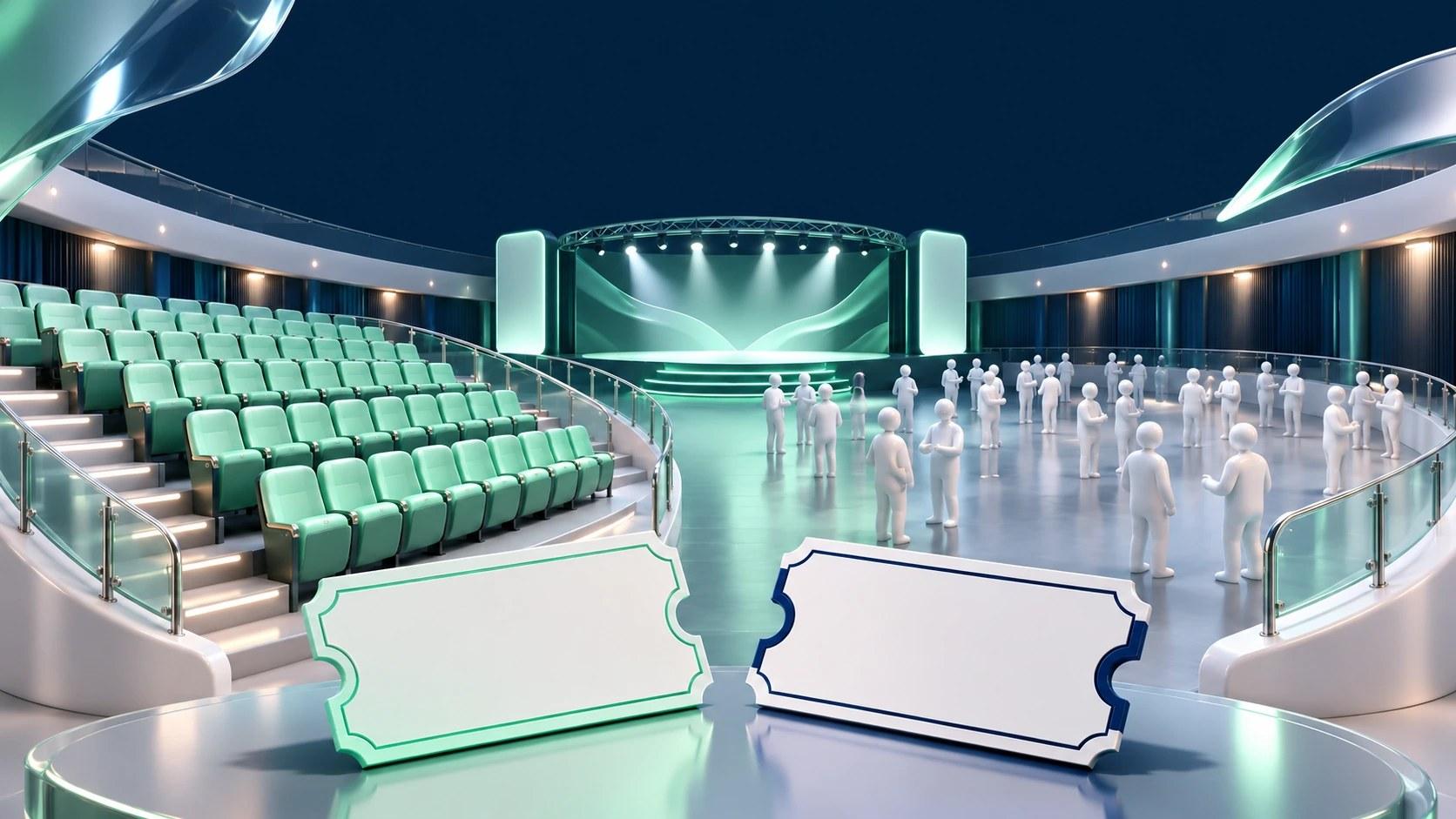
Compare reserved seating and general admission for your event. Assess the venue plan against the audience’s needs and confirm the ticket’s access rights.
Reserved seating vs. general admission is a useful comparison when your event team is asked what a buyer needs to know about their place inside the venue. The reserved ticket identifies the purchaser’s particular seat. General admission permits access to a specified area, with the buyer’s eventual position governed by the event’s arrangements. The choice affects the promise made at the time of purchase and the work your staff performs at the venue.
Your audience might value a reserved seat beside a companion, especially during a lengthy performance when guests expect to remain seated. For a program built around movement between activities, access to an area may suit the event better. Start with the actual audience plan, then ask your ticketing provider to demonstrate the corresponding purchase. Price tiers come later, once the admission rights are settled.
Explain What General Admission Includes
General admission needs a description of the actual accommodation, since the category name alone leaves buyers guessing whether chairs will be available. Some events sell access to an open floor. Others offer unallocated seats, where attendees choose among available chairs after arrival. Since both offers use the same category name, the event page needs to state which arrangement applies.
If a seated general-admission event promises a seat to each purchaser, its approved ticket allowance must correspond to the available seating arrangement. Nearby places for a group remain subject to availability upon arrival. For an event offering only limited seating within an open floor, explain how those chairs are allocated. Buyers with specific seating needs require an accessible route to reliable information before payment.
Reserved seating determines the individual seat at the time of booking, so the ticket and confirmation need to match the location details. When the venue divides its audience into sections, the ticket includes the section name next to the seat location. Staff must recognize the same labels on the physical seating. If an event uses unusual numbering, the online map should make adjacent places easy to distinguish from seats in another row.

Choose Against the Actual Event Configuration
Venue configurations affect the ticketing model, particularly when the same building hosts a seated performance one day and a floor-based event the next. Dubai Opera describes its auditorium configurations as suitable for theater performances or flat-floor events, among other uses. Its example demonstrates why a building’s name alone supplies insufficient detail for a ticket brief. The agreed configuration for your event should be placed beside the proposed admission categories.
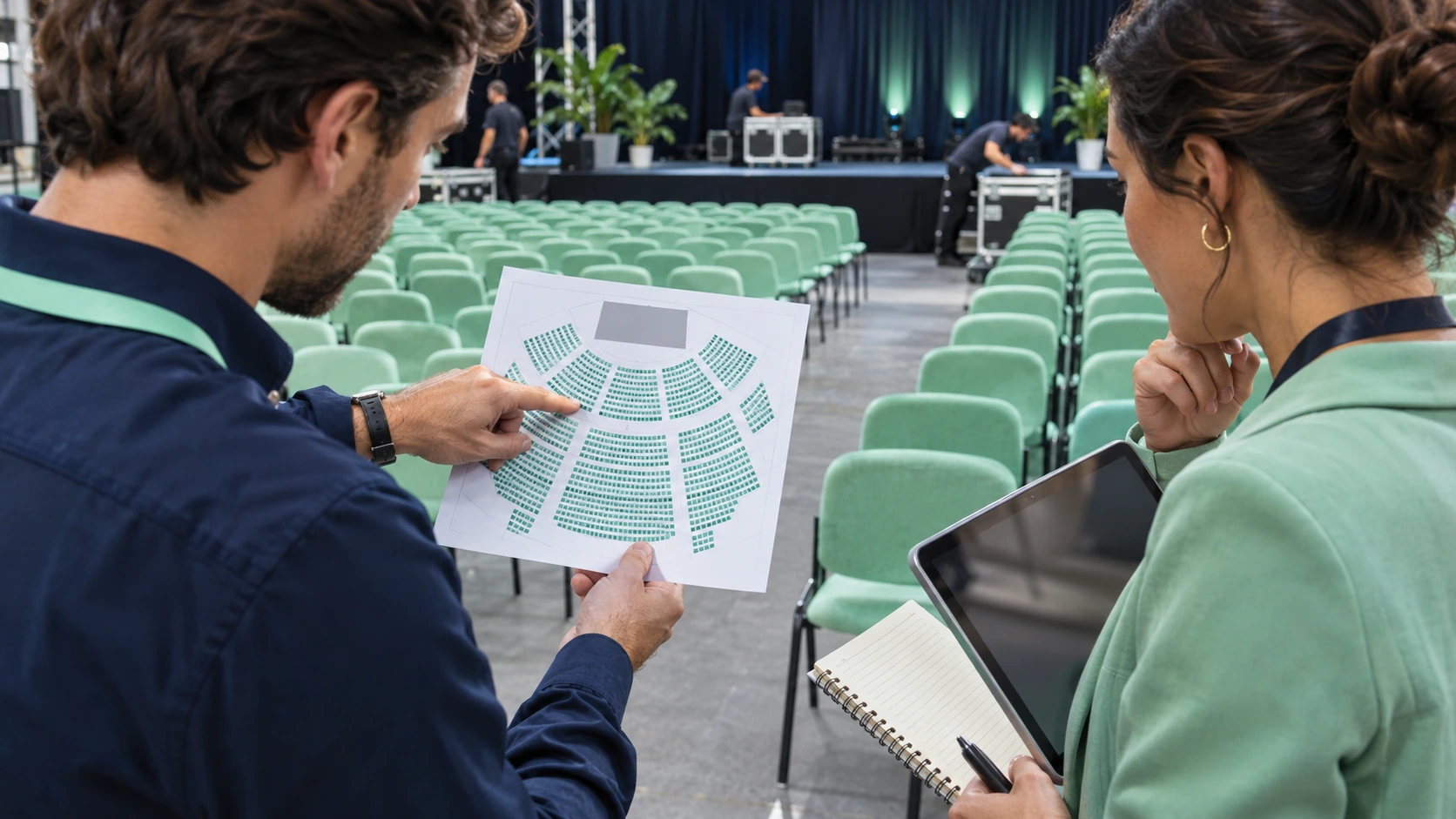
Request a venue-approved drawing for the performance, then check the seats available after the production layout has been assessed. Positions beside cameras may have different sightlines from positions shown on a general venue diagram. If a seat has a restricted view, agree its suitability for sale with the venue and describe the limitation on the event page. Changes after sales begin require a review of affected bookings.
General-admission quantities require an assessed capacity for the actual audience area, even when the venue advertises a larger overall attendance figure. Britain’s Health and Safety Executive discusses venue suitability and crowd assessment with advice on establishing safe capacity. Its material supplies British professional guidance. For a UAE event, the responsible venue specialists must confirm the layout against applicable local requirements.
Compare the Work Behind the Purchase
Reserved seating creates a specific inventory item for each available seat, so a demonstration should show how the selected location appears throughout the purchase. Test an individual place alongside an adjacent pair. Ask what happens when another buyer attempts to select the same location during a demonstration using authorized test bookings. The provider needs to explain the temporary reservation and the resulting purchase confirmation.
General admission uses an allowance for the category or area, with completed purchases reducing the quantity available for subsequent buyers. Separate price releases may draw from the same admission allowance. Ask the provider how it reconciles those releases against the accepted capacity. If both tickets permit identical admission, a discounted purchase consumes the same place as a later full-price purchase.
Groups purchasing reserved seats may find the remaining inventory scattered across rows as sales progress, which changes the choices available for their booking. Decide whether the provider offers adjacent-seat selection for your intended configuration, then test the buyer’s view near the end of a release. General admission leaves the group’s eventual position to the venue arrangements. Explain any conditions affecting arrival together or access to an area.

Keep Mixed Categories Distinct
Mixed seating works when the venue approves both arrangements and buyers can identify the area their ticket permits them to enter. For example, an arena with a suitable approved configuration may offer assigned seats around an open floor. The event page then needs a map that connects the category names to the corresponding audience areas. Venue staff needs an operating plan supporting any policy permitting guests to move between areas.
Premium pricing needs a concrete benefit attached to the admission, whether the offer includes a particular seat or access to a separate area. The word premium leaves the accommodation unresolved. Someone’s Ticket’s article on VIP ticket pricing examines the commercial offer in greater detail. For the seating decision, describe the actual location and any access conditions besides the price.
If an organizer proposes an upgrade during the event, the destination area needs available capacity and an agreed ticket amendment procedure. Staff handling the change must know which admission applies following the upgrade. For the revised category, update the relevant allocation record when the guest’s transfer is confirmed. The venue’s admissions lead needs a reliable method to verify the revised entitlement at the affected entrance.
Include Accessible Places in the Ticket Brief
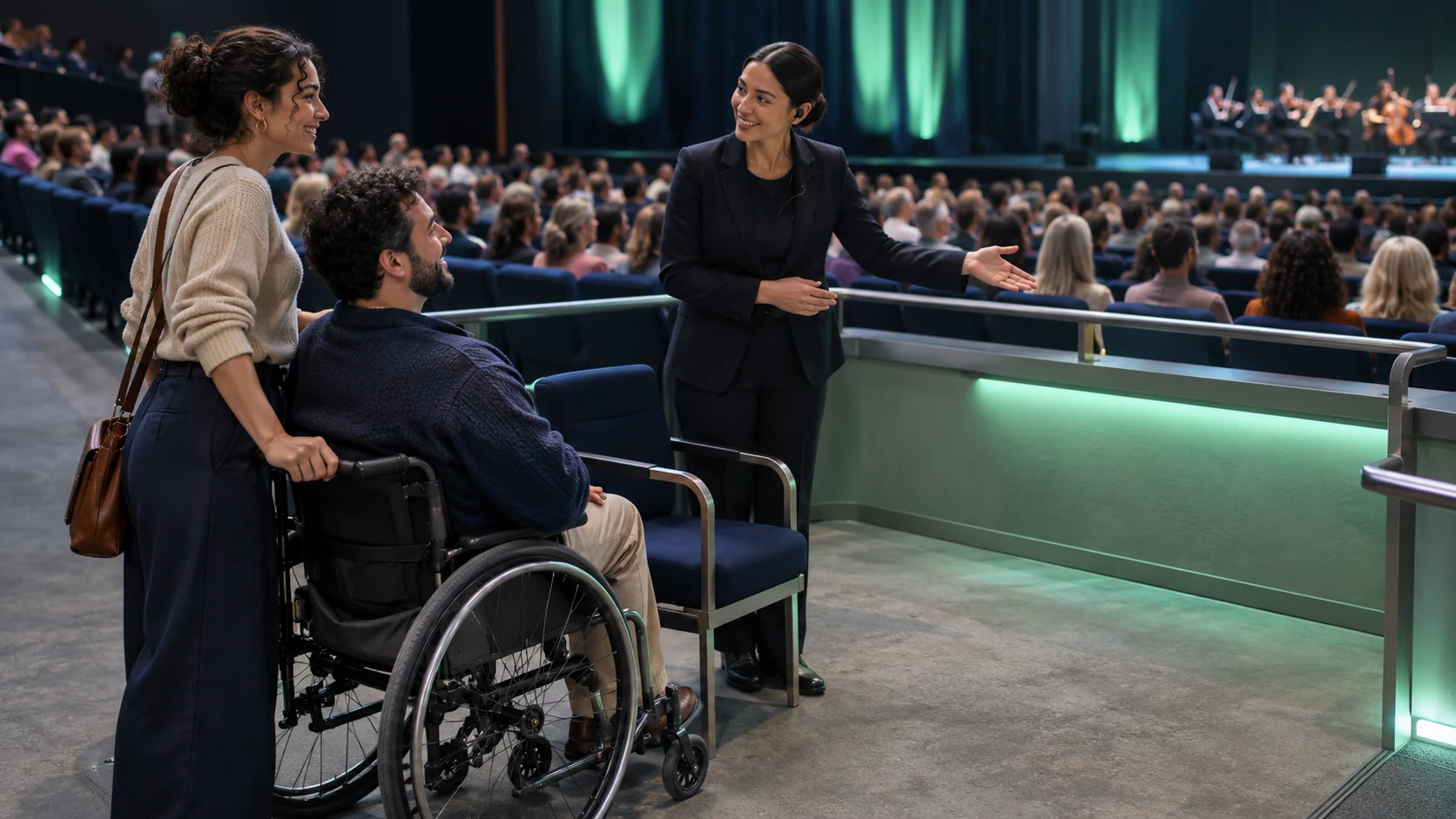
Accessible accommodation should be included in the initial sales discussion, with the venue’s access specialist confirming which locations suit the event’s proposed layout. Buyers need factual descriptions of the accessible route and the viewing position. Companion arrangements require their own explanation. The public description needs enough detail for someone to assess whether the advertised location meets their access needs.
U.S. Department of Justice ticket-sales guidance discusses descriptions of accessible seating and companion purchases within the American legal system. It offers a useful overseas reference for the questions a sales team must answer. UAE obligations require local review. Ask the venue and provider to agree the applicable booking arrangements, then check whether the public descriptions match the accommodation actually offered.
Rehearse the Route After the Scan
Admission preparation should follow the guest’s route after ticket verification, since a successful entry scan still leaves the task of reaching the correct area. For reserved seating, ushers need a legible map and a method for resolving a disputed assignment. General-admission staff need the approved area limits. Mixed events require colleagues at the relevant boundaries to recognize the permitted categories.
Arrival patterns deserve separate assessment when attendees expect earlier arrival to affect their eventual position within an open area. HSE’s crowd-management advice discusses entrance queues and circulation during an event. Use the qualified event team’s agreed arrival plan when preparing buyer messages. Keep advertised door times consistent with the arrangements the venue can operate.
Questions Organizers Ask
Does General Admission Always Mean an Open Floor?
General admission can describe an open floor or unallocated seating, so the event page needs to explain the actual accommodation attached to the ticket. Where chairs are limited, disclose their availability and allocation method. Reserved seating identifies a particular assigned location.
Can One Event Offer Both Ticket Models?
Mixed admission is possible when the approved venue plan accommodates the categories and staff can apply the corresponding access rules. The ticketing brief needs separate allowances for the affected areas. Confirm the intended setup through a provider demonstration using the event’s proposed map.
Which Model Produces More Ticket Revenue?
Revenue depends on the audience’s willingness to pay and the quantities approved for sale. Profit calculations require the event’s delivery costs. Compare forecasts using the actual proposed categories. Reserved seating alone establishes little concerning demand for a higher price, and general admission permits several commercial offers when their benefits are explicit.
Discuss the Proposed Layout with Someone’s Ticket
Your conversation with Someone’s Ticket will be more specific when the brief includes the approved audience layout and a description of what each category permits. Ask the team to demonstrate the proposed seating purchase, then review the general-admission arrangement where relevant. Confirm the event-specific capabilities against your requirements. The final decision belongs with the organizer and venue, supported by an intelligible ticket offer.
Admin
Event Ticketing