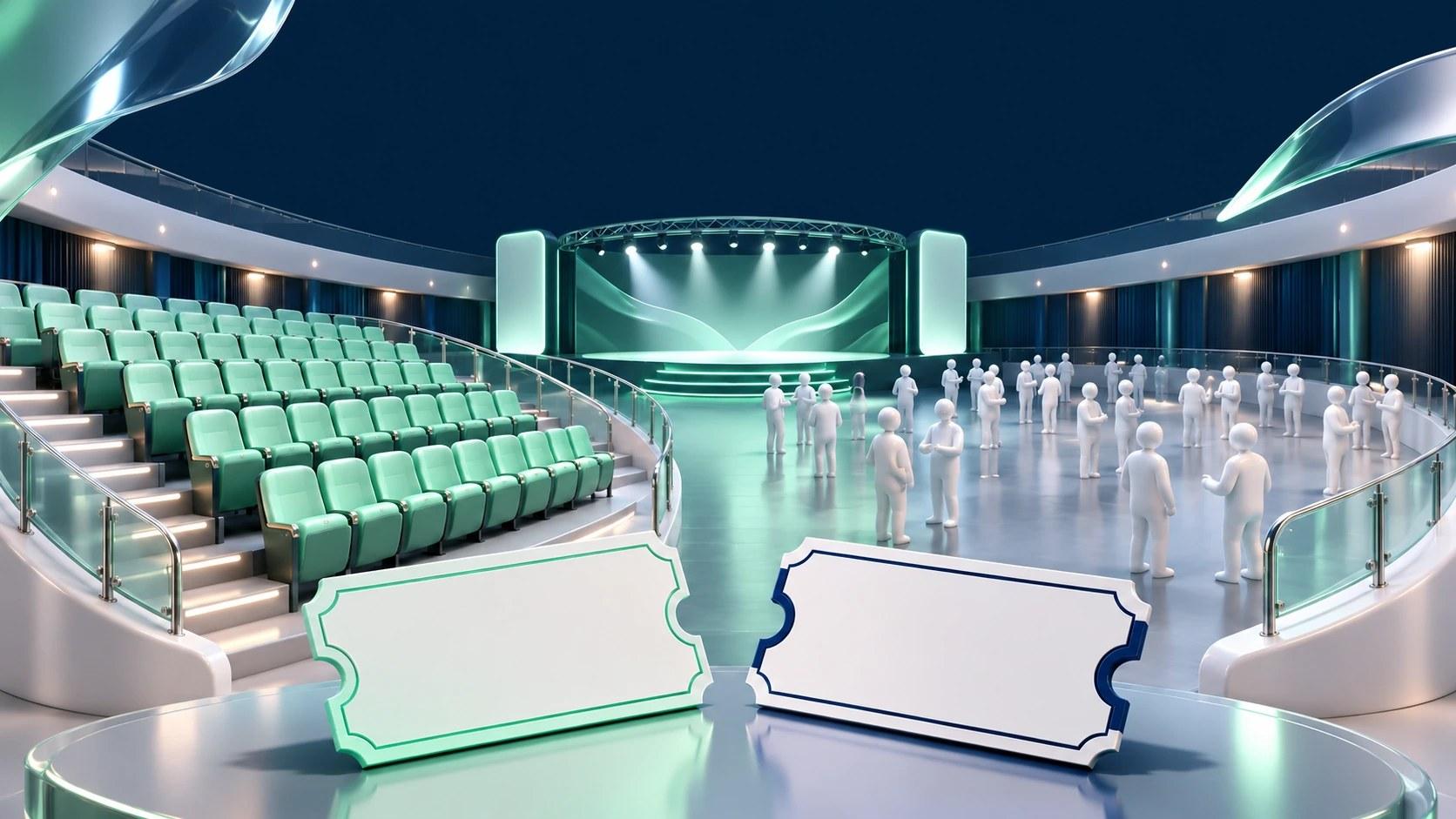
Plan ticket inventory management around approved capacity and active reservations, then reconcile sales allocations to reduce event overselling risk.
Ticket inventory management becomes urgent when several sales channels offer access to the same event and buyers compete for the last available seats. You need to account for tickets temporarily reserved during checkout when calculating public availability. Since guest allocations consume places, the sales total alone does not provide a complete inventory account. Production changes may remove seats already included in the sales plan.
Your organizer and ticketing teams need an agreed count for the actual event, followed by a reliable way to account for changes during sales. Start by separating the approved admission allowance from the quantity currently available to a buyer. If a colleague requests additional tickets, the decision then starts with the remaining allocation and its existing claims.
Set the Admission Allowance Against the Actual Venue Plan
Venue specialists must confirm the event’s capacity against its actual configuration after production staff identifies equipment occupying space previously intended for guests. In its crowd-assessment guidance, Britain’s Health and Safety Executive discusses safe venue capacity. For UAE approvals, obtain local confirmation from the responsible specialists. Use the venue’s accepted event drawing when preparing the ticket quantities.
For a seated performance, reconcile the saleable seat list against the approved drawing so a removed row disappears from the proposed sales inventory. General-admission areas require an approved allowance for the relevant space. Where categories permit access to separate areas, retain the area limits alongside the event total. Someone’s Ticket’s seating-model guide discusses the earlier decision concerning assigned seats or general admission.
Complimentary admissions must enter the capacity calculation whenever their holders will occupy seats within the same approved guest allowance as paying attendees. For staff occupancy, ask the venue which people count toward each limit under its applicable capacity basis. Written confirmation is particularly useful when the sales report counts guests, but the safety plan uses a wider occupancy figure.
Reconcile Inventory Through Mutually Exclusive Counts
For a fictional event with an approved guest allowance of 500, suppose 320 admissions have been issued, and 30 places are reserved for sponsors. If separate checkout reservations temporarily occupy another 20 places, public availability is 130. The example assumes mutually exclusive groups and an allowance that is fully allocable.
If a sponsor confirms 10 guests against its existing allocation, move those 10 places from the sponsor reserve to issued admissions in the record. Public availability remains 130. The operator would count ten places twice if the original sponsor reserve remained unchanged after the guests received their tickets. If the operator released all 30 reserved places after issuing 10 admissions, the 10 already-claimed places would reenter the public sale.
Early-bird tickets and regular-price tickets often permit access to the same audience area, so both releases need to consume its agreed admission allowance. Your provider needs to explain how category quantities interact with the event limit. When regular pricing begins, transfer the remaining eligible quantity according to the release instructions. Someone’s Ticket’s early-bird release guide examines the pricing deadline in greater detail.

Treat Checkout Reservations as Temporary Claims
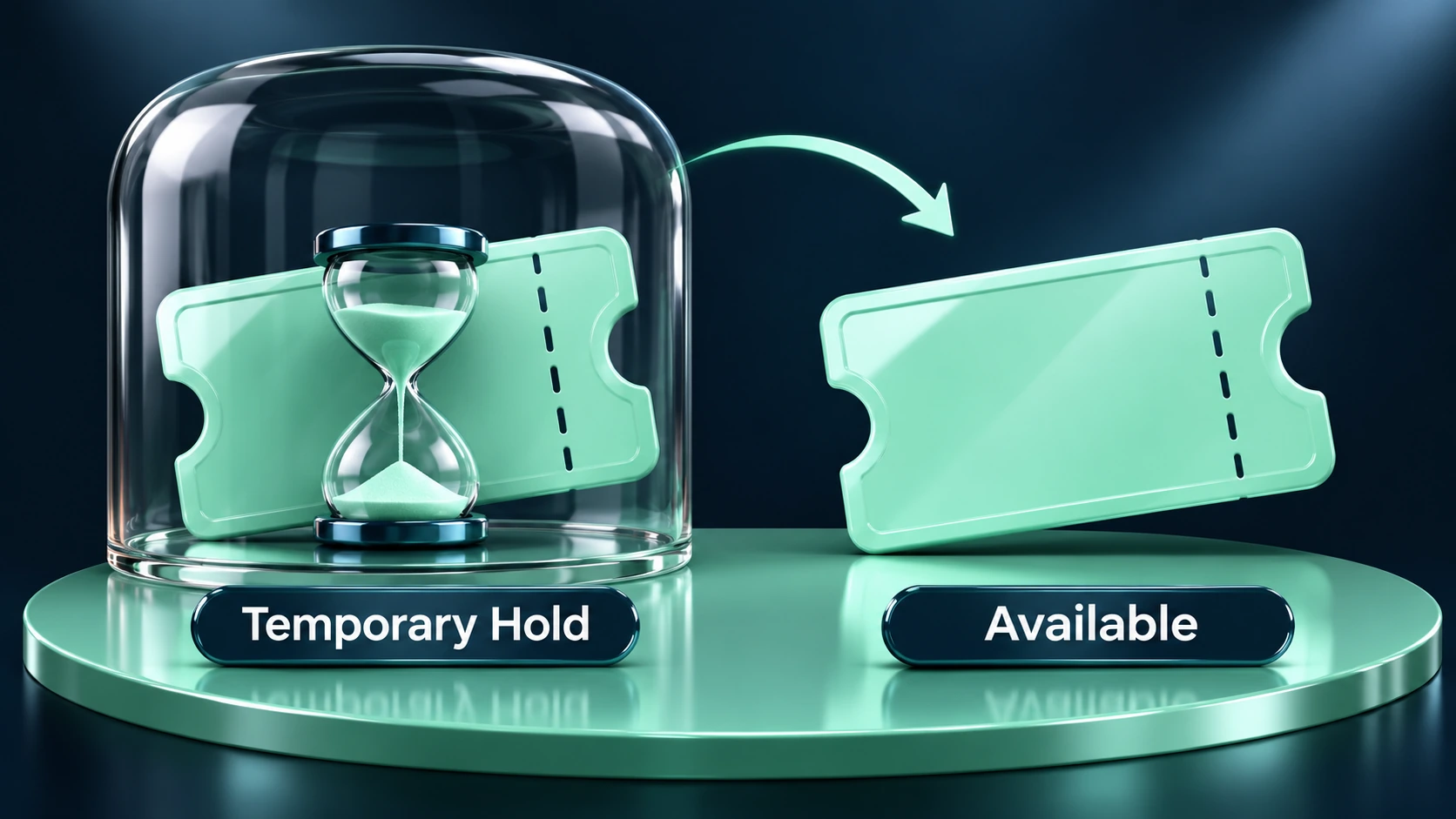
When a buyer reaches checkout, a temporary reservation may remove the selected tickets from public availability for the duration of the purchase’s permitted payment period. The organizer needs the provider’s actual expiry rule. Ask when the reservation starts and what happens after the buyer leaves checkout. The demonstration must include an unpaid expiry so the team sees the released quantity return to sale.
Public availability may increase after unpaid reservations expire, even during a busy sale, as completed purchases continue to reduce the remaining ticket stock. For buyer inquiries, staff need an explanation drawn from the current inventory report. If a reserve remains available for a later release, an event-wide sellout announcement would misdescribe the inventory. Confirm the remaining allocations with the authorized operator ahead of announcing a permanent sellout.
Payment delays require a specific exception procedure when a buyer reports a bank debit, but the ticket order remains unresolved in the provider’s records. Refer the purchase for reconciliation against its transaction reference. Until the provider confirms the final order status, retain the affected inventory per its documented procedure. Use the provider’s reconciled order record to determine whether the customer already holds an admission.
Account for Every Sales Channel
Online sales and box-office purchases need to consume the same approved admission allowance, even when different people operate the channels during the event. Ask your provider to demonstrate a near-capacity sale involving both channels. For separately allocated sellers, establish a fixed quantity for the relevant channel and require reconciled returns for unused inventory. Any transfer needs a confirmed deduction from the originating allocation.
If a sales desk loses connectivity, its staff needs an agreed procedure for the remaining tickets it is authorized to issue during the interruption. Sales made against an old public-availability figure risk competing with purchases completed elsewhere. Where the provider supports offline issuance, agree a preassigned allowance with the venue. The allowance remains unavailable to other channels until reconciliation confirms which tickets were issued.
Group offers require counting based on the number of admissions included in the purchase, particularly when the checkout presents a single package as a single sale item. For example, a fictional four-person package uses four places in the relevant guest allowance. Test the package against a remaining balance of less than 4. The proposed purchase must comply with the approved package rule and maintain the applicable capacity limit.

Approve Inventory Changes After Sales Begin
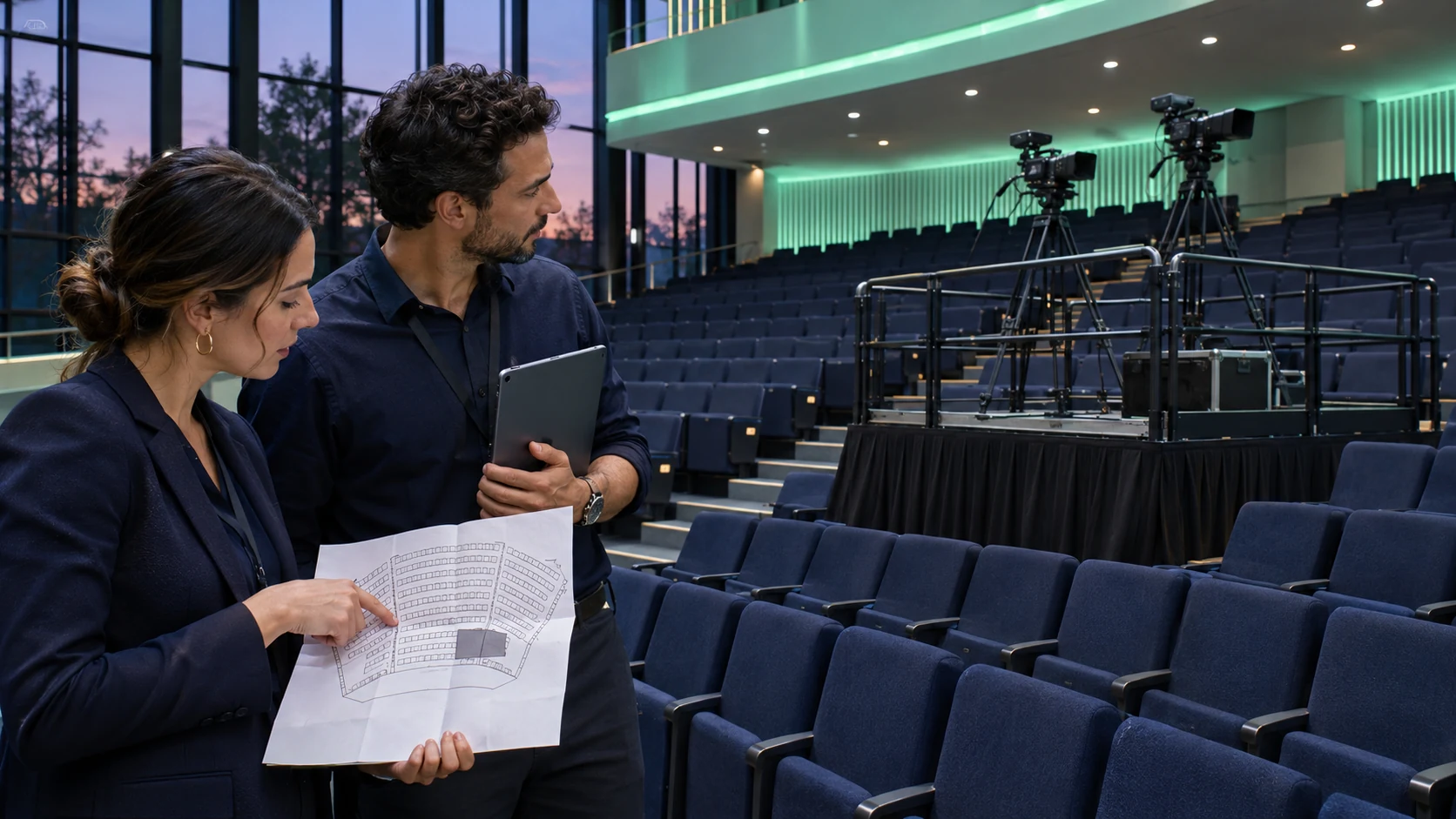
When production staff requests space for a camera platform, compare the revised seat drawing with existing bookings as part of the change review. Admissions already issued require an agreed-upon buyer-resolution plan. Pause the affected allocation while the event team resolves the change. The ticketing operator needs both versions of the drawing to identify the affected seat locations.
Dubai DET’s ticket amendment guidance instructs organizers to contact DET when event changes require tickets to be changed, with the system updated and tickets canceled or reissued. When authorizing the proposed software quantity edit, confirm the event’s approval conditions with the responsible organizer.
Refunded tickets require an agreed resale decision, with the original admission canceled prior to the release being offered to another buyer. If the original ticket remains valid, another sale would create competing admission claims for its place. Record the original ticket’s cancellation against the release. For a category exchange, deduct a place from the destination allowance when the replacement admission is issued.
Test the Final Places Ahead of a Busy Release
Your provider demonstration needs to reproduce the final available seat or admission, with two authorized test buyers attempting to reserve it during the same interval. The resulting test orders must reconcile with the inventory count. For an unpaid expiry, inspect the quantity returned to sale after the reservation ends. Arrange the rehearsal in the provider’s approved test environment to keep it separate from real customers and payments.
Once public sales begin, assign a named operator to review unexplained differences between issued admissions and the remaining inventory shown for sale. The operator needs to include active checkout holds alongside separately reserved allocations when comparing the figures. If the numbers conflict, an authorized colleague must be available to pause the affected category. Retain the correction history for the next shift’s sales reconciliation.
Questions Organizers Ask
Do Complimentary Tickets Count Toward Capacity?
Complimentary guests count toward the relevant audience allowance when their tickets permit entry to the same area as the event’s paying guests. Record issued complimentary admissions in the inventory account. The venue’s qualified team must confirm how other occupants affect the applicable safety limit.
Why Do Tickets Reappear During a Busy Sale?
Tickets may return to public availability after an unpaid checkout reservation expires or an authorized operator releases an unused allocation for purchase. Ask the provider which event-specific rule applies. The newly available quantity needs to be reconciled with existing admissions and remaining reservations.
Can More Tickets Be Added After the Initial Release?
Additional tickets require verified unused capacity within the approved event arrangement, followed by any applicable authorization for the proposed inventory change or release. Unused reserves remain within the existing allowance when released for sale. To increase the actual event capacity, seek a separate review with the venue and responsible authorities.
Discuss Your Inventory Plan with Someone’s Ticket
Send the Someone’s Ticket team your venue-approved admission allowance, along with the proposed sales channels, when discussing the event’s ticketing arrangements. The proposed demonstration needs to include the final-place purchase against your inventory setup. Once the demonstration is complete, agree the event-specific operating arrangements in writing. Sales staff need a named contact for change approvals and an agreed inventory record for subsequent reconciliation.
Admin
Event Ticketing